

The Role of Water Quality Analyzers in Agricultural Irrigation Water Quality Management
Release Time
2025-12-05 09:18
In modern agricultural production, water quality directly affects crop growth rate, yield, and soil sustainability. With the development of precision agriculture, monitoring of farmland irrigation water is gradually shifting from experience-based judgment to scientific and data-driven approaches, and water quality analyzers play a crucial role in this process. By accurately detecting the composition of water sources, farmers can promptly grasp the patterns of water quality changes, thereby developing more scientific irrigation strategies and improving agricultural production efficiency.
Water quality analyzers help farmers understand the basic physicochemical indicators of irrigation water, such as pH value, conductivity, turbidity, and hardness. These indicators are directly related to the plant's absorption environment. For example, excessively acidic or alkaline irrigation water may affect soil structure and crop root activity; high hardness water can lead to soil compaction and reduced fertilizer utilization; high turbidity may carry excessive sediment and suspended solids, affecting the normal operation of the irrigation network. Through water quality analyzer monitoring, farmers can take timely regulatory measures, such as adjusting fertilization methods, improving water filtration, and optimizing irrigation timing, to ensure that crops are in a suitable growth environment.
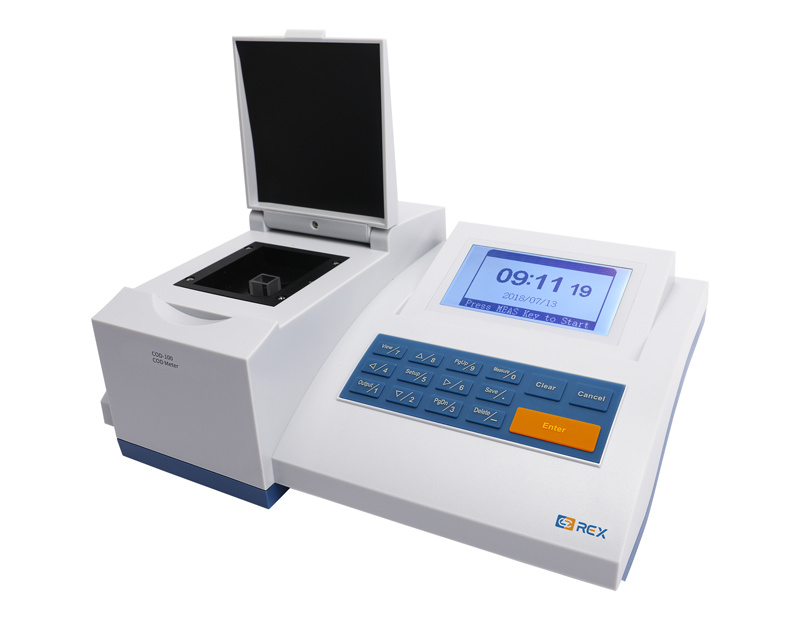
The nutrient content of agricultural irrigation water also requires close monitoring. Excessive levels of nitrogen, phosphorus, and potassium ions can easily lead to agricultural non-point source pollution, causing eutrophication of water bodies. Conversely, low concentrations of these components can impair crop nutrient absorption and reduce yields. Water quality analyzers provide quantitative data on these key ions, allowing farmers to make informed decisions when fertilizing, effectively avoiding over-fertilization or repeated fertilization, and achieving more precise field management.
Water quality analyzers can also be used to monitor harmful substances that may affect crop health, such as metal ions, pesticide residues, or other pollutants. This type of monitoring is particularly important in industrial areas, mining areas, or near water sources with a high risk of pollution. Through regular instrument monitoring, farmers can identify water source risks in advance, avoiding crop yield reductions or even farmland damage due to contaminated irrigation.
In practical applications, water quality analyzers also offer advantages such as ease of operation and intuitive data. Many portable devices are small and fast, making them ideal for field testing and providing agricultural operators with real-time, reliable data support. Simultaneously, by combining historical monitoring data, water quality change trends can be analyzed, enabling the development of more scientific water resource management plans for seasonal irrigation.
Water quality analyzers play an irreplaceable role in agricultural irrigation water quality management. They help farmers optimize irrigation and fertilization plans based on data, ensuring healthy crop growth, improving land use efficiency, and promoting agriculture towards a greener and more sustainable direction. With the continuous upgrading of agricultural technology, water quality testing will become an indispensable and crucial link in modern agriculture.

PRECISION PERFECT
Contact Us
-
Tel:0086-021-39506429/39506392
Mail:info@lei-ci.com
-
Fax: 0086-021-39506398
 Contact
 E-mail
