

The adaptability of water quality analyzers in testing different water sources
Release Time
2026-01-08 13:12
In the process of water resource utilization and management, different water sources have significant differences in water quality characteristics, pollution types, and environmental conditions. Accurately understanding the water quality of various water sources is crucial for ensuring water safety and improving management efficiency. Water quality analyzers, with their flexible testing methods and excellent adaptability, play a vital role in various water source monitoring tasks.
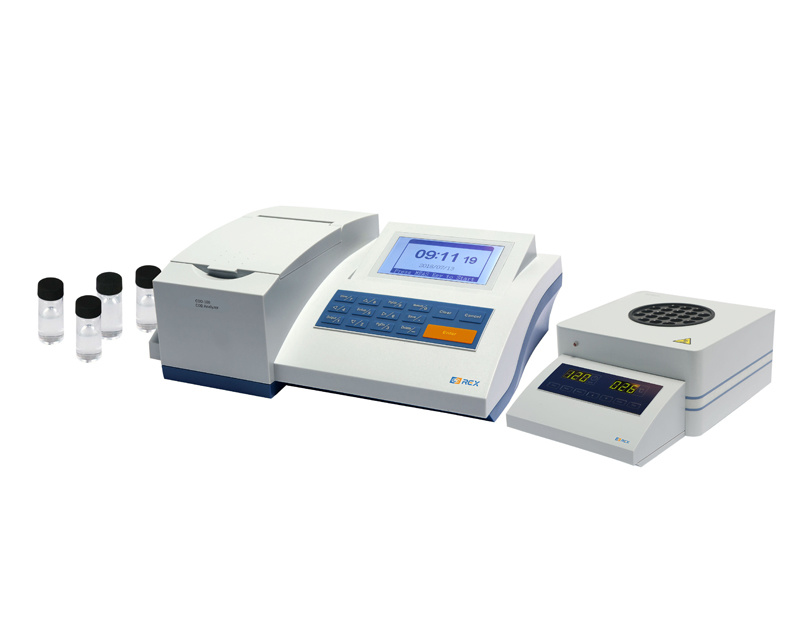
Firstly, in surface water monitoring, water quality analyzers can handle the complex and frequently changing composition of water bodies. Surface water sources such as rivers and lakes are easily affected by rainfall, seasonal changes, and the surrounding environment, resulting in significant fluctuations in water quality. Regular sampling and testing allow for timely monitoring of water quality trends, providing data for water environment management and water resource allocation. This ability to adapt to dynamic changes makes water quality analyzers highly practical in surface water monitoring.
Secondly, water quality analyzers also demonstrate excellent adaptability in groundwater monitoring. Groundwater quality is generally relatively stable, but due to geological conditions and human activities, localized water quality anomalies may still occur. Analyzing water samples helps determine whether groundwater meets usage requirements, providing a basis for drinking water source protection and rational development.
In drinking water source testing, the adaptability of water quality analyzers lies in their comprehensive analysis of multiple indicators. Different water sources vary in hardness, dissolved substances, and other aspects; water quality analyzers can be flexibly applied according to testing needs, supporting water source screening and safety assessments. This helps improve the targeted and scientific nature of water source management.
Furthermore, in industrial water and reclaimed water testing, water quality analyzers can adapt to diverse water sample compositions and complex backgrounds. Through test results, companies can better understand water quality conditions, rationally plan water use and treatment processes, and avoid production disruptions caused by water quality issues.
The adaptability of water quality analyzers in different water source testing applications makes them an important tool in water quality management. Whether it's natural water bodies or treated water, standardized testing can provide reliable data support for scientific decision-making, promoting the rational use and safe management of water resources.
PRECISION PERFECT
Contact Us
-
Tel:0086-021-39506429/39506392
Mail:info@lei-ci.com
-
Fax: 0086-021-39506398
 Contact
 E-mail
