

Adaptability of COD Analyzer in High-Concentration Wastewater Detection
Release Time
2026-01-22 09:50
High-concentration wastewater is commonly found in industrial processes such as chemical, pharmaceutical, printing and dyeing, and food processing. This type of wastewater has high organic content and complex composition, placing higher demands on the stability and accuracy of water quality testing equipment. As an important tool for measuring the degree of organic pollution in wastewater, the COD Analyzer demonstrates excellent adaptability in high-concentration wastewater detection, becoming a key piece of equipment in water quality management and process control.
High-concentration wastewater is often accompanied by significant fluctuations in pollution load, which can easily lead to numerical deviations during detection. The COD Analyzer is optimized for high-range detection needs, maintaining stable testing performance over a wide concentration range. Through reasonable sample processing and detection workflow configuration, the instrument can effectively cope with the measurement pressure brought by high COD values, ensuring the comparability and reference value of the test results.
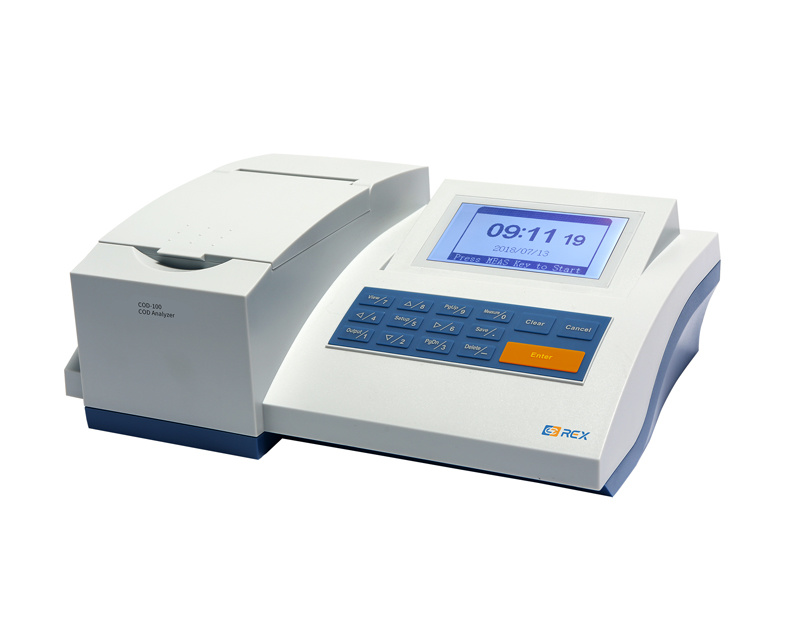
High-concentration wastewater often contains suspended solids, oils, or complex organic components, which can easily interfere with the detection process. Mature COD analyzers are designed with the complexities of water samples in mind, reducing the impact of impurities on results and making the analysis more reliable. This adaptability is particularly important for routine water quality monitoring in industrial settings, helping to reduce the workload of repeated testing and manual corrections.
In high-concentration wastewater testing, the durability and operational stability of the instrument are equally crucial. COD analyzers typically feature high-quality materials and advanced manufacturing processes, enabling them to withstand frequent testing and demanding environments. Under long-term operating conditions, the instrument's performance remains stable, facilitating the establishment of continuous and systematic water quality data records and providing a reliable basis for evaluating wastewater treatment effectiveness.
From a management perspective, the adaptability of COD analyzers in high-concentration wastewater testing allows companies to more promptly grasp changes in wastewater quality. With scientific data support, relevant departments can adjust and optimize treatment processes, reduce emission risks, and improve overall environmental management.
COD analyzers play a vital role in high-concentration wastewater testing due to their wide measurement range, excellent adaptability to complex water samples, and stable and reliable operation. Its application not only enhances the practical value of water quality testing but also provides strong support for industrial wastewater treatment and environmental protection.
PRECISION PERFECT
Contact Us
-
Tel:0086-021-39506429/39506392
Mail:info@lei-ci.com
-
Fax: 0086-021-39506398
 Contact
 E-mail
